Architecture
Where vision meets structure and creativity shapes reality


Tailored for you
Style meets function
UK-standard ready
Built to last
Thoughtful architecture is at the core of our home improvement services, combining creative design with practical solutions to transform your space. We focus on how you live, enhancing layout, light and functionality to suit your everyday needs. From initial concepts to final details, every element is carefully planned for efficiency and long-term value. Our streamlined approach ensures a smooth build process with minimal disruption. The result is a home that is not only visually refined but also perfectly tailored to your lifestyle.
Great architecture is the foundation of any successful home improvement project, blending creativity with practical planning to shape spaces that enhance everyday life. It delivers homes that are not only visually striking but also efficient, comfortable and built around your needs.
Practical layouts that optimise space.
Clean design that enhances visual appeal.
Builds long-term property equity
At Chingsford Home Improvement, we specialise in creating thoughtful architectural solutions that transform everyday homes into practical, stylish and comfortable living spaces. Our approach blends creativity with functionality, ensuring every design is tailored to suit the way you live today and in the future.
From home extensions and loft conversions to full-scale renovations, we focus on maximising space, improving natural light and enhancing flow throughout the home. Every project is carefully planned to balance aesthetics with structural efficiency and long-term value.
We work closely with homeowners across the UK, offering a personalised service that turns ideas into well-designed, build-ready solutions. With attention to detail at every stage, we aim to deliver homes that feel better, work smarter and add lasting value.
Residential architecture is the foundation of most home improvement projects. It focuses on designing, upgrading and reshaping living spaces to improve comfort, functionality and overall usability. This includes everything from small internal alterations like reconfiguring layouts and improving room flow, to larger projects such as home extensions, loft conversions and full property refurbishments.
A key aspect of residential architecture is personalisation. Every home is designed or modified based on how the occupants live, their family size, daily routines and long-term needs. It ensures that spaces are not just visually appealing but also practical and efficient. Good residential design also considers storage, natural light, ventilation and accessibility, making homes more liveable and future-ready.
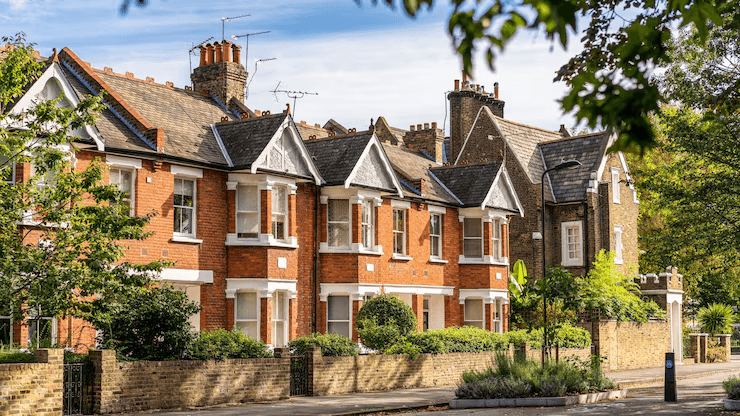
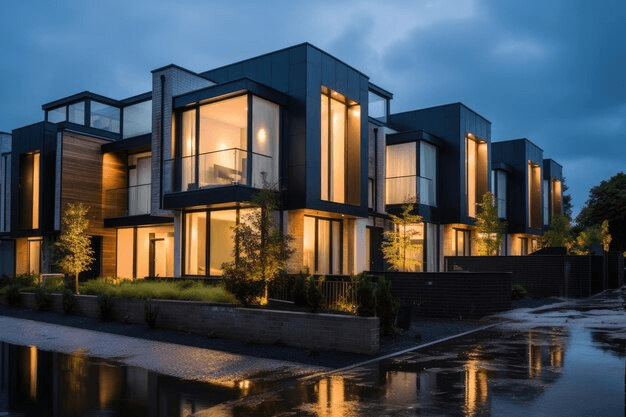
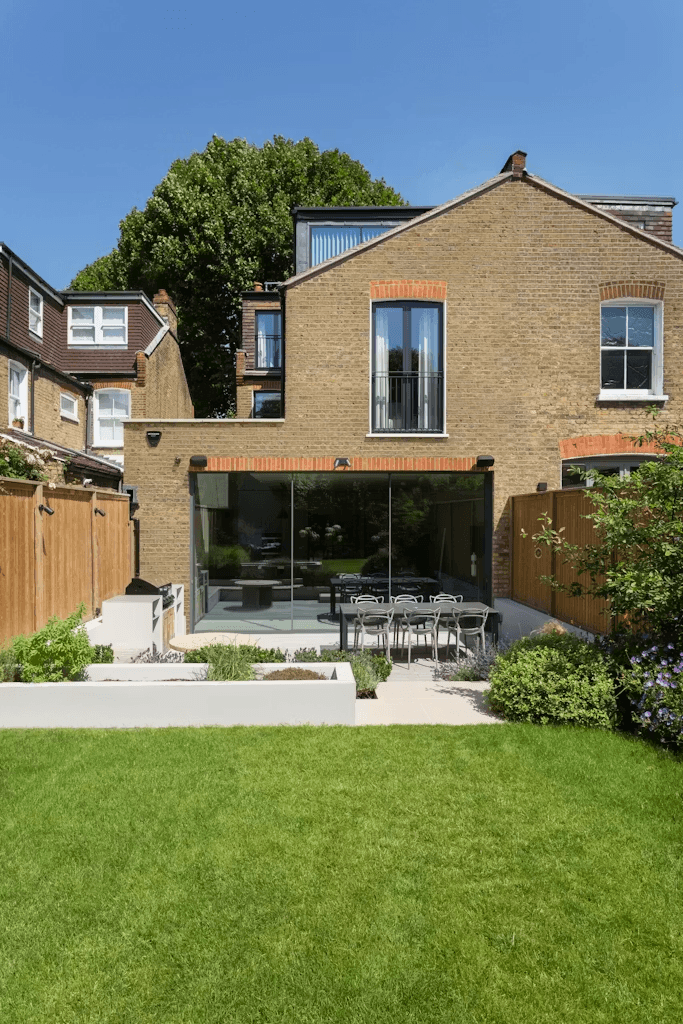
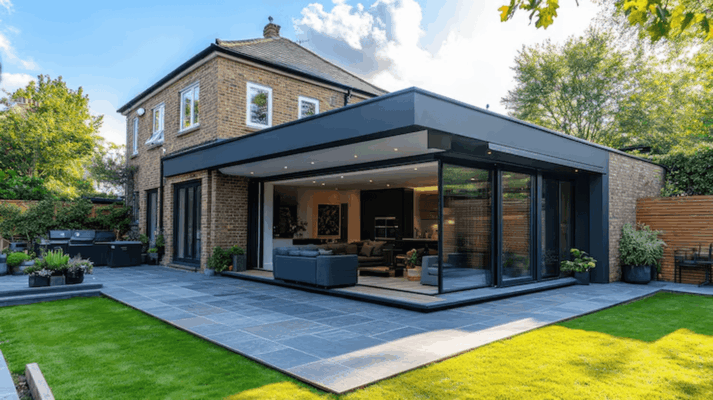
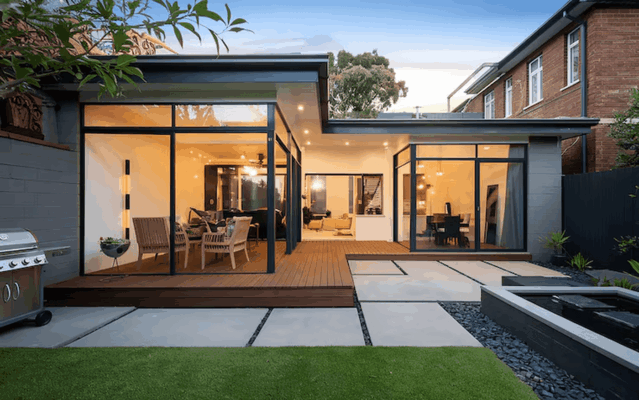
Contemporary architecture represents modern design thinking and is widely used in home improvement projects that aim to refresh older properties or create a more current aesthetic. It is defined by simplicity, openness and a strong connection between indoor and outdoor spaces.
Typical features include open-plan living areas, large windows, clean structural lines and a reduced use of unnecessary decorative elements. This approach prioritises light, space and flow, making homes feel larger and more connected. Materials often include glass, steel and natural finishes like wood and stone, combining practicality with style.
In home improvement, contemporary architecture is often used to transform traditional homes into modern living spaces that feel bright, spacious and aligned with current lifestyle trends.
Sustainable architecture focuses on creating homes that are energy-efficient, environmentally responsible and cost-effective in the long term. It plays a major role in modern home improvement as more homeowners aim to reduce energy consumption and carbon footprint.
This approach includes the use of eco-friendly building materials, high-performance insulation, double or triple-glazed windows and energy-saving systems such as LED lighting and smart heating controls. Many sustainable designs also integrate renewable energy sources like solar panels and consider natural elements such as sunlight direction and airflow to reduce reliance on artificial heating and cooling.
Beyond environmental benefits, sustainable architecture also improves comfort and reduces household running costs. It ensures homes are not only modern and functional but also future-proof and aligned with greener living standards.